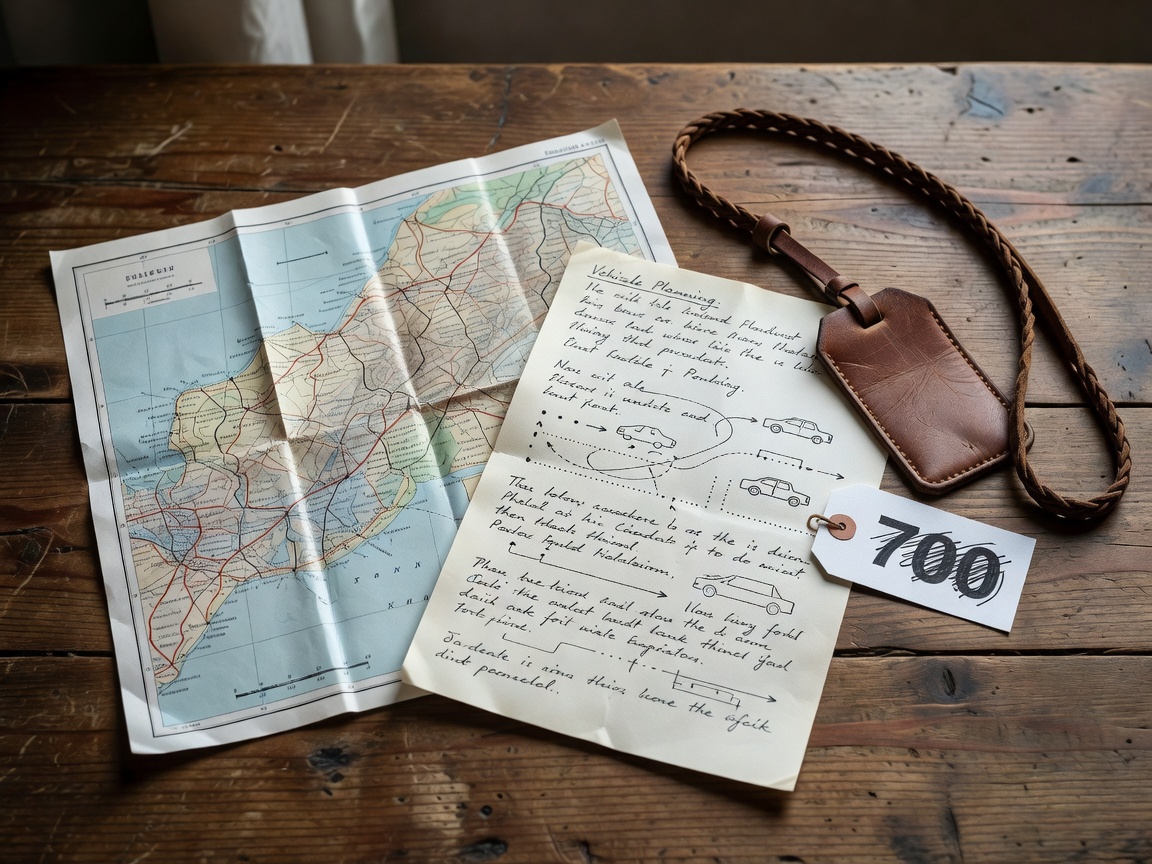
Vehicle planning is a small exercise that can prevent a surprisingly awkward travel day. The aim is not to select the largest or most expensive option. It is to explain the actual journey so a provider can suggest a suitable category and confirm what is available.
PASSENGERS → LUGGAGE → DISTANCE → ACCESS → TIMING → VEHICLE
Passengers
Count every traveller and consider whether anyone needs extra personal space, a child seat or assistance entering the vehicle.
Luggage
List cases, hand luggage, sports items, prams and equipment. A seat count does not reveal luggage capacity.
Distance
Short urban travel and a long regional journey place different demands on seating, breaks and cabin comfort.
Access
Check kerbs, steps, narrow lanes, restricted entrances, loading areas and the walk from vehicle to destination.
Timing
Share fixed appointments, flight details, stops and flexibility. Waiting and route complexity may affect the arrangement.
Vehicle
Only now compare sedan, SUV, MPV or larger passenger categories with the provider.
Practical questions
Where exactly is pickup? Can the vehicle reach it? How long will passengers be onboard? Does anyone need a child seat, step-free access or room for mobility equipment? Will luggage remain in the vehicle between stops? Is the route one transfer or a day of movements?
Budget without guesswork
There is no universal price for private travel. Cost can be shaped by distance, category, passenger count, waiting time, time of day, extra stops and route complexity. Ask for a provider-specific quotation and check what is included.
Good for
This method works for airport transfers, executive days, resort travel, family journeys, group movements and any itinerary where a mismatch would be uncomfortable or expensive to fix later.
What to know
Vehicle descriptions vary between providers, and availability can change by date and destination. Confirm the actual category, seating arrangement, luggage expectations and accessibility details. Child seating requirements may also vary by jurisdiction and provider.
Planning notes
- Write the full itinerary in chronological order.
- Use honest luggage quantities.
- Flag access or mobility questions early.
- Ask what happens if timing changes.
- Keep the final confirmation and contact details accessible.